
Ethical decision-making in business is a multifaceted field navigating the complex interplay between profit and principle. This exploration delves into the frameworks, challenges, and best practices that guide responsible business conduct. From understanding fundamental ethical theories to developing robust internal ethical structures, we’ll examine how organizations can cultivate a culture of integrity and navigate the ethical dilemmas inherent in today’s globalized and technologically advanced world.
We will analyze real-world examples of both ethical successes and failures, highlighting the far-reaching consequences of choices made in the boardroom. Furthermore, we will explore the crucial role of leadership in fostering ethical behavior, examining different leadership styles and their impact on organizational ethics. The discussion will also extend to the ethical implications across various business functions, emphasizing sustainable practices and responsible decision-making in areas such as business development, finance, and operations.
Defining Ethical Decision-Making in Business
Ethical decision-making in business refers to the process by which companies and individuals within those companies make choices that consider the moral implications of their actions. It goes beyond simply complying with laws and regulations; it involves a commitment to acting in a way that is fair, just, and beneficial to all stakeholders, including employees, customers, suppliers, communities, and the environment.
This commitment necessitates a proactive approach to identifying and addressing potential ethical dilemmas before they escalate into crises.Ethical decision-making in a business context is guided by a set of key principles and frameworks. These principles often encompass honesty, integrity, fairness, respect, responsibility, and transparency. Frameworks, such as the stakeholder theory (considering the interests of all affected parties) and the shareholder primacy model (prioritizing the interests of shareholders), provide structured approaches to evaluating the ethical dimensions of decisions.
The application of these principles and frameworks varies depending on the specific situation and the ethical theory being employed.
Ethical Theories and Their Application in Business
Different ethical theories offer contrasting perspectives on how to make ethical decisions. Utilitarianism, for example, focuses on maximizing overall happiness and minimizing harm. A utilitarian approach in business might involve choosing the course of action that benefits the greatest number of people, even if it means some individuals are disadvantaged. In contrast, deontology emphasizes adherence to moral duties and rules, regardless of the consequences.
A deontological approach might prioritize upholding a commitment to employees, even if it means sacrificing short-term profits. Virtue ethics, another prominent theory, focuses on cultivating moral character and virtues such as honesty, courage, and compassion. A business applying virtue ethics would strive to create a culture where ethical behavior is valued and rewarded. The application of these theories often involves a complex balancing act, and in practice, many businesses incorporate elements of multiple ethical frameworks.
For instance, a company might prioritize the well-being of its employees (deontology) while simultaneously aiming to increase overall profitability (utilitarianism).
Corporate Social Responsibility and Ethical Decision-Making
Corporate Social Responsibility (CSR) plays a crucial role in shaping ethical decision-making. CSR encompasses a company’s commitment to operate ethically and contribute positively to society. This includes environmental sustainability, fair labor practices, community engagement, and ethical sourcing. By integrating CSR principles into their decision-making processes, businesses demonstrate a commitment to going beyond mere profit maximization and considering the broader societal impact of their actions.
Companies that actively embrace CSR often find that it enhances their reputation, attracts and retains talent, and fosters stronger relationships with stakeholders. For example, a company might invest in renewable energy sources to reduce its carbon footprint (environmental sustainability), or it might implement fair trade practices to ensure that its suppliers are treated ethically. This proactive approach to CSR not only demonstrates ethical commitment but also can lead to long-term business advantages.
Challenges and Dilemmas in Ethical Business Practices
Navigating the complex landscape of modern business requires a keen awareness of ethical considerations. While the pursuit of profit is fundamental, it must never come at the expense of ethical conduct. Numerous challenges and dilemmas arise daily, testing the moral compass of organizations and individuals alike. Understanding these challenges is crucial for fostering a culture of integrity and sustainability.Ethical dilemmas are inherent in many business decisions, creating conflicts between profit maximization and responsible conduct.
The increasing interconnectedness of the global marketplace and rapid technological advancements further complicate this already intricate environment. These factors introduce new ethical considerations and amplify the potential consequences of unethical behavior.
Common Ethical Dilemmas in Business
Businesses frequently encounter situations requiring difficult ethical choices. These dilemmas often involve conflicting interests, requiring careful consideration of all stakeholders. Understanding these common challenges is vital for proactively mitigating potential risks and fostering ethical practices.
- Conflicts of Interest: These arise when an individual’s personal interests clash with their professional responsibilities. For example, a purchasing manager accepting gifts from a supplier might compromise their objectivity in selecting the best vendor. This can lead to unfair advantages for certain suppliers and potentially damage the company’s reputation.
- Whistleblowing: This involves an employee reporting unethical or illegal activities within their organization. While legally protected in many jurisdictions, whistleblowers often face significant professional and personal risks, including retaliation and social ostracization. The decision to blow the whistle is fraught with ethical complexities, balancing loyalty to the company with the responsibility to uphold ethical standards.
- Data Privacy: The collection, storage, and use of personal data raise significant ethical concerns. Businesses must balance the legitimate need for data with the individual’s right to privacy and data security. Data breaches can have severe financial and reputational consequences for companies and devastating impacts on individuals.
Impact of Globalization and Technological Advancements
Globalization and technological advancements present both opportunities and challenges for ethical business practices. The interconnected nature of the global marketplace expands the scope of ethical considerations, requiring businesses to navigate diverse cultural norms and legal frameworks. Technological advancements, such as artificial intelligence and automation, introduce new ethical dilemmas related to algorithmic bias, job displacement, and data security.For instance, the outsourcing of manufacturing to countries with lax labor laws raises ethical concerns about worker exploitation and environmental damage.
Similarly, the use of artificial intelligence in hiring processes raises concerns about algorithmic bias, potentially perpetuating existing inequalities.
Real-World Examples of Ethical Failures
Numerous examples illustrate the significant consequences of ethical failures for businesses and society. The Volkswagen emissions scandal, where the company deliberately manipulated emissions tests, resulted in billions of dollars in fines, reputational damage, and criminal charges. Similarly, the Enron scandal, involving widespread accounting fraud, led to the company’s collapse and eroded public trust in corporate governance. These cases highlight the far-reaching and devastating impact of unethical behavior.
Hypothetical Ethical Dilemma in the Pharmaceutical Industry
Imagine a pharmaceutical company developing a life-saving drug for a rare disease. The drug is expensive to produce, and the company faces a dilemma: Should they prioritize maximizing profits by setting a high price, potentially making the drug inaccessible to many patients, or should they prioritize accessibility by setting a lower price, potentially reducing their profit margins? This decision involves weighing the value of human life against financial considerations, requiring a careful ethical assessment of all stakeholders, including patients, shareholders, and the company’s long-term sustainability.
Developing an Ethical Framework for Business Operations
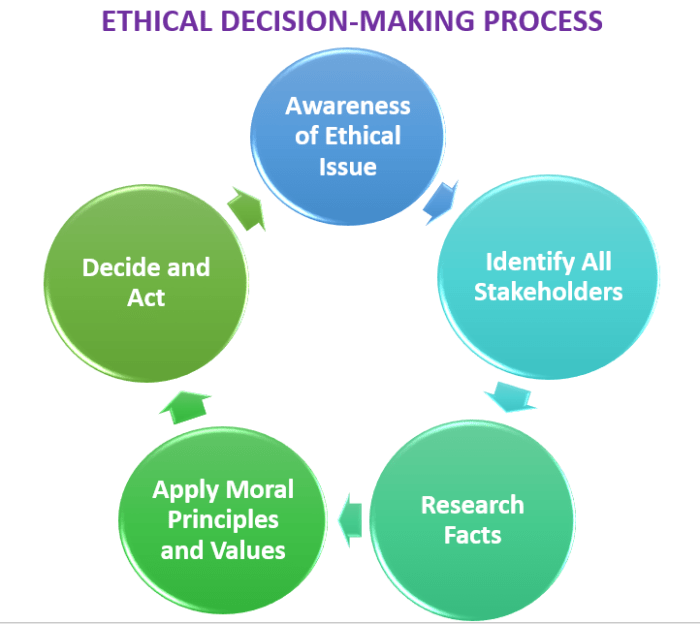
Establishing a robust ethical framework is crucial for long-term business success. It fosters trust with stakeholders, attracts and retains top talent, and mitigates reputational risks. A well-defined framework provides clear guidelines for decision-making, ensuring ethical considerations are integrated into all aspects of the business.
A Step-by-Step Guide to Establishing an Ethical Framework
Creating a comprehensive ethical framework requires a structured approach. This involves a series of steps designed to ensure buy-in from all levels of the organization and create a lasting impact.
- Define Core Values: Begin by identifying the fundamental principles that will guide the organization’s ethical conduct. These values should reflect the company’s mission and culture, and be easily understood and embraced by employees. Examples include integrity, transparency, fairness, and respect.
- Develop a Code of Conduct: Translate the core values into a detailed code of conduct. This document should Artikel specific expectations for employee behavior in various situations, including conflict of interest, bribery, and data privacy. It should be readily accessible to all employees.
- Establish an Ethics Committee: Create an independent committee responsible for overseeing the ethical framework’s implementation and enforcement. This committee should be composed of individuals from various levels of the organization, including senior management, to ensure diverse perspectives are considered.
- Implement a Reporting Mechanism: Provide a confidential and accessible channel for employees to report ethical concerns without fear of retaliation. This could be a dedicated hotline, email address, or online platform. The process for investigating and resolving reported issues should be clearly defined.
- Regular Review and Updates: The ethical framework should not be a static document. It requires regular review and updates to ensure it remains relevant and effective in addressing evolving ethical challenges and legal requirements. This should involve feedback from employees and stakeholders.
The Importance of a Strong Ethical Culture and its Impact on Employee Behavior
A strong ethical culture goes beyond simply having a code of conduct; it permeates the organization’s values and influences employee behavior at all levels. When ethical behavior is consistently modeled and rewarded, employees are more likely to act ethically, leading to increased trust, productivity, and reduced risk of misconduct. Conversely, a weak ethical culture can lead to unethical behavior, damaging the company’s reputation and creating a toxic work environment.
For example, a company known for prioritizing profits over employee well-being might experience high turnover and low morale.
Key Elements of an Effective Ethics Training Program
Effective ethics training is essential for embedding ethical principles into the organizational culture. The program should be tailored to the specific needs of the organization and its employees, addressing relevant ethical dilemmas and providing practical guidance.
- Interactive Training Modules: Use interactive methods, such as case studies and role-playing exercises, to engage employees and encourage critical thinking about ethical dilemmas.
- Regular Refresher Courses: Ethics training should not be a one-time event. Regular refresher courses help reinforce ethical principles and address emerging challenges.
- Leadership Buy-in: Senior management must actively participate in and promote the ethics training program to demonstrate its importance and commitment to ethical conduct.
- Assessment and Feedback: Include assessments to measure employee understanding of ethical principles and provide feedback to identify areas for improvement.
Integrating Ethical Considerations into Strategic Business Planning
Ethical considerations should be integrated into all aspects of strategic business planning, from product development to marketing and sales. This ensures that ethical considerations are not an afterthought but are central to the decision-making process. For example, a company developing a new product should consider its environmental impact and ensure its marketing does not mislead consumers. Failure to do so can result in significant reputational damage and legal repercussions.
A proactive approach to ethical integration demonstrates a commitment to responsible business practices and builds trust with stakeholders.
The Role of Leadership in Promoting Ethical Conduct
Leadership plays a pivotal role in shaping a company’s ethical culture. A leader’s actions, decisions, and communication significantly influence employee behavior and the overall ethical climate within an organization. Ethical leadership isn’t merely about avoiding wrongdoing; it’s about proactively fostering a culture where ethical considerations are central to all business operations.Ethical leadership actively promotes ethical decision-making throughout the organization.
Leaders who prioritize ethical conduct demonstrate this through their own actions, setting a clear example for employees to follow. This includes consistently upholding high ethical standards, even in challenging situations, and transparently communicating ethical expectations.
Effective Leadership Strategies for Promoting Ethical Decision-Making
Effective strategies for promoting ethical decision-making involve a multi-faceted approach. This includes establishing clear ethical guidelines, providing comprehensive ethics training, and creating mechanisms for reporting and addressing ethical concerns. Leaders must actively cultivate a culture of open communication and trust, ensuring employees feel comfortable raising ethical questions or concerns without fear of retribution. Furthermore, leaders should regularly assess and update ethical policies and procedures to reflect evolving business practices and societal expectations.
For instance, a company might implement regular ethics audits to identify potential vulnerabilities and areas for improvement, and use these findings to revise their ethical framework. Another example would be incorporating ethics into performance evaluations, demonstrating that ethical conduct is a crucial element of success.
Accountability and Transparency in Ethical Leadership
Accountability and transparency are cornerstones of ethical leadership. Leaders must be held responsible for their ethical conduct and decisions, and this accountability should extend throughout the organization. Transparency involves open and honest communication about ethical issues, policies, and decisions. This includes providing clear explanations for actions taken and being willing to address concerns raised by employees or stakeholders.
For example, a company facing a crisis involving ethical misconduct might hold a town hall meeting to communicate the situation transparently and Artikel the steps being taken to address it. A lack of transparency can breed mistrust and suspicion, undermining the ethical culture the company is trying to build. A culture of accountability and transparency fosters trust and encourages employees to act ethically, knowing that their actions will be scrutinized and addressed fairly.
Comparison of Leadership Styles: Ethical Support vs. Hindrance
Different leadership styles significantly impact ethical conduct. Transformational leadership, characterized by inspiring and motivating employees to achieve a shared vision, often promotes ethical behavior. These leaders foster a strong sense of purpose and encourage employees to act with integrity. In contrast, authoritarian leadership, which emphasizes control and obedience, can hinder ethical conduct. A climate of fear and intimidation discourages employees from raising ethical concerns or questioning decisions.
Similarly, laissez-faire leadership, characterized by a lack of involvement or direction, can also negatively impact ethical behavior as it provides little guidance or support in navigating ethical dilemmas. For instance, a company with a transformational leader might actively involve employees in developing ethical guidelines, fostering a sense of ownership and responsibility. Conversely, a company under authoritarian leadership might suppress dissent and prioritize profit maximization over ethical considerations.
Ethical Considerations Across Business Functions
Ethical considerations permeate every aspect of a business, influencing not only its reputation but also its long-term viability and success. A commitment to ethical practices is no longer a mere add-on; it’s integral to building trust with stakeholders, attracting and retaining talent, and achieving sustainable growth. This section examines the ethical implications across various key business functions.
Ethical Implications in Sustainable Business Development
Sustainable business development necessitates a holistic approach that considers environmental, social, and economic factors. Ethical implications arise when balancing profit maximization with the long-term well-being of the planet and society. For example, a company might face a dilemma between using cheaper, less environmentally friendly materials to increase profit margins versus investing in sustainable alternatives that might initially increase production costs.
Ethical decision-making in this context requires prioritizing long-term value creation over short-term gains, incorporating environmental impact assessments into project planning, and actively engaging with stakeholders to understand and address their concerns. Transparency in supply chains and commitment to fair labor practices are also crucial components of ethical sustainable business development.
Ethical Considerations in Business Ethics Training Programs
Effective business ethics training programs must go beyond simple compliance training. They should foster a culture of ethical awareness and critical thinking. Ethical considerations arise in the design and delivery of such programs. For example, the training content should be relevant to the specific context of the organization and its industry, avoiding generic and superficial approaches. The training methodology should encourage active participation and critical discussion, rather than passive listening.
Furthermore, the effectiveness of the program should be regularly evaluated to ensure that it’s achieving its intended goals and adapting to evolving ethical challenges. A key ethical consideration is ensuring that the training is accessible and inclusive, catering to the diverse needs and learning styles of all employees.
Ethical Responsibilities of Business Coaches in Guiding Client Decision-Making
Business coaches play a significant role in shaping the ethical conduct of their clients. Their ethical responsibility lies in fostering responsible decision-making, not simply achieving business goals. This includes maintaining confidentiality, avoiding conflicts of interest, and ensuring that their advice aligns with ethical principles. For instance, a coach should not encourage a client to engage in unethical practices, even if it might lead to short-term gains.
Instead, they should help the client explore alternative solutions that are both effective and ethical. Open and honest communication is vital, enabling the coach to provide constructive feedback and challenge potentially unethical behaviors. Coaches must also continuously update their knowledge of ethical best practices to effectively guide their clients.
Ethical Considerations When Seeking Business Loans
Transparency and responsible borrowing are paramount when seeking business loans. Ethical considerations include accurately representing the financial health of the business, avoiding misleading information, and adhering to the terms and conditions of the loan agreement. Failure to do so can have serious consequences, including reputational damage and legal repercussions. Borrowing responsibly also means having a clear understanding of the loan’s terms and ensuring that the business has the capacity to repay the debt.
This involves careful financial planning and a realistic assessment of the business’s future prospects. Furthermore, ethical borrowing practices involve seeking loans from reputable lenders and avoiding predatory lending practices.
Ethical Aspects of Various Business Models
The choice of business model has significant ethical implications. For example, a franchise model must address the ethical treatment of franchisees, ensuring fair and transparent agreements. A subscription model needs to ensure value for money and avoid manipulative pricing strategies. Ethical considerations in business models extend to supply chain management, ensuring fair wages and working conditions for all involved.
Sustainable business models prioritize environmental and social responsibility, minimizing negative impacts and maximizing positive contributions to society. Fairness and transparency are key principles that should guide the selection and implementation of any business model.
Ethical Principles in Business Strategy Development
Ethical principles should be integrated into every stage of business strategy development, from defining the mission and vision to setting goals and implementing tactics. This involves incorporating ethical considerations into the decision-making process, ensuring that strategic choices align with the organization’s values and commitments. For example, a company might choose to prioritize social impact over profit maximization in its strategy, reflecting its commitment to corporate social responsibility.
Ethical considerations should also guide the selection of target markets and the design of products and services, ensuring that they do not harm or exploit vulnerable populations. Regular ethical audits and reviews can help to ensure that the business strategy remains aligned with ethical principles.
Best Practices for Ethical Business Travel
Ethical business travel requires considering environmental impact and responsible spending. This includes opting for sustainable transportation options like trains or electric vehicles whenever feasible, minimizing air travel, and choosing eco-friendly accommodations. Responsible spending involves avoiding excessive expenses, selecting locally owned businesses whenever possible, and supporting sustainable tourism initiatives. Additionally, ethical business travelers should be mindful of their impact on local communities, respecting local customs and traditions and supporting local economies.
Prioritizing virtual meetings whenever appropriate is another key aspect of ethical and sustainable business travel.
Ethical Challenges Across Business Functions
| Business Function | Common Ethical Challenge | Potential Solution | Example |
|---|---|---|---|
| Business Development | Prioritizing profit over environmental sustainability | Investing in sustainable practices and transparent supply chains | A clothing company choosing to source organic cotton despite higher costs. |
| Ethics Training | Lack of engagement and relevance in training programs | Interactive training methods and tailored content | Implementing role-playing scenarios to address real-world ethical dilemmas. |
| Business Coaching | Conflicts of interest between coach and client goals | Clear guidelines on ethical conduct and transparent communication | A coach refusing to advise a client on a potentially unethical marketing campaign. |
| Seeking Business Loans | Misrepresenting financial information to secure a loan | Complete transparency and accurate financial reporting | A business owner providing honest and detailed financial statements to a lender. |
Ultimately, ethical decision-making in business is not merely a compliance exercise but a strategic imperative. By embracing ethical principles, organizations can build trust with stakeholders, enhance their reputation, attract and retain top talent, and achieve long-term sustainability. Cultivating a strong ethical culture requires a commitment from leadership, ongoing training and development, and a willingness to confront difficult dilemmas head-on.
The journey toward ethical excellence is an ongoing process, demanding continuous reflection, adaptation, and a steadfast dedication to doing what is right, not just what is profitable.
Commonly Asked Questions
What are some common signs of unethical behavior in a business?
Common signs include a lack of transparency, conflicts of interest not properly addressed, disregard for regulations, retaliatory actions against whistleblowers, and a culture of secrecy or fear.
How can a small business foster an ethical culture?
Small businesses can establish clear ethical guidelines, lead by example, provide ethics training, encourage open communication, and create a safe space for reporting ethical concerns.
What is the role of a company’s board of directors in ethical decision-making?
The board oversees the company’s ethical framework, provides guidance on ethical dilemmas, ensures accountability, and monitors compliance with ethical standards.
How can I report unethical behavior in my workplace?
Familiarize yourself with your company’s whistleblower policy. If one doesn’t exist, consider reporting to a higher authority within the company or to external regulatory bodies.


