
Building a thriving business requires more than just a great product or service; it demands a well-defined strategy for growth and expansion. This guide delves into the multifaceted world of business development, exploring key elements from market analysis and target audience identification to strategic partnerships and ethical considerations. We’ll examine proven techniques for generating leads, closing deals, and navigating the complexities of securing funding, all while emphasizing the importance of long-term vision and sustainable practices.
We will cover a range of topics, from understanding different business models and the role of effective business coaching to optimizing business travel and managing projects efficiently. Through practical examples, insightful comparisons, and actionable advice, this guide aims to equip you with the knowledge and tools necessary to craft and execute a successful business development strategy tailored to your specific needs and goals.
Defining Business Development Strategies
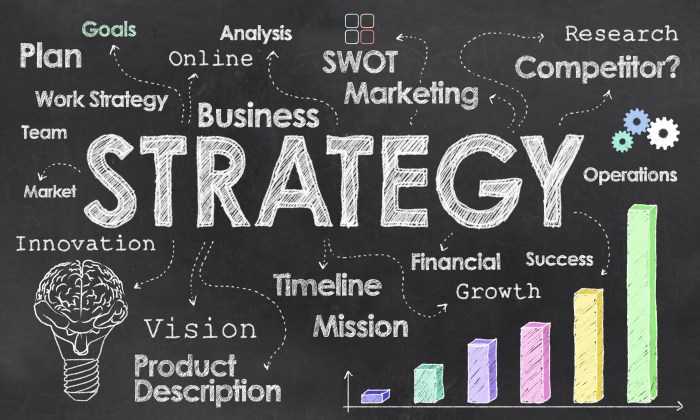
Effective business development strategies are crucial for sustainable growth and market dominance. They represent a company’s proactive approach to expanding its market reach, improving profitability, and achieving its overall business objectives. A well-defined strategy acts as a roadmap, guiding decisions and resource allocation towards achieving specific, measurable, achievable, relevant, and time-bound (SMART) goals.
Core Components of Effective Business Development Strategies
Several key components contribute to the effectiveness of a business development strategy. These include a clear understanding of the target market, a well-defined value proposition, a robust sales and marketing plan, strong partnerships, and a commitment to continuous improvement and adaptation. Ignoring any of these elements can significantly weaken the overall strategy and reduce the likelihood of success.
For example, a brilliant product with no effective marketing plan will struggle to gain traction, while a strong marketing plan without a compelling product will ultimately fail to convert leads into sales.
Short-Term versus Long-Term Business Development Strategies
Short-term strategies typically focus on immediate results and quick wins, often involving tactical initiatives to boost sales or improve market share within a defined timeframe (e.g., a year or less). These might include targeted marketing campaigns, limited-time promotions, or strategic partnerships for specific projects. In contrast, long-term strategies aim for sustained growth and competitive advantage over a longer period (e.g., 3-5 years or more).
They often involve broader initiatives such as market expansion, product diversification, or significant investments in research and development. A successful business will often balance both short-term and long-term strategies, ensuring immediate returns while building a foundation for future success. For example, a tech startup might launch a short-term marketing campaign to increase app downloads while simultaneously investing in long-term research to develop the next generation of their product.
Examples of Successful Business Development Strategies Across Various Industries
Successful business development strategies vary widely across industries. In the technology sector, companies like Apple have built their success on a strong brand reputation, innovative product design, and a seamless user experience. Their long-term strategy of investing heavily in R&D has led to the creation of iconic products that have redefined entire industries. In the fast-moving consumer goods (FMCG) sector, companies like Coca-Cola have utilized extensive distribution networks, aggressive marketing campaigns, and brand loyalty programs to maintain their market dominance.
Their short-term strategies often involve seasonal promotions and limited-edition products, while their long-term strategy centers on building brand awareness and expanding into new markets. In the financial services industry, firms like Berkshire Hathaway have employed a long-term value investing strategy, focusing on acquiring undervalued companies and holding them for the long term, generating significant returns over decades.
Comparison of Proactive and Reactive Business Development Approaches
| Proactive Approach | Reactive Approach |
|---|---|
| Anticipates market trends and changes; proactively seeks opportunities. | Responds to market changes and challenges as they arise; often plays catch-up. |
| Focuses on strategic planning and long-term vision. | Often characterized by short-term solutions and crisis management. |
| Involves continuous monitoring of the competitive landscape and customer needs. | May be driven by immediate pressures and competitor actions. |
| Examples: Product innovation, market expansion, strategic partnerships. | Examples: Price reductions, emergency marketing campaigns, damage control. |
Market Analysis and Target Audience Identification
Understanding your market and identifying your ideal customer are fundamental to successful business development. A thorough market analysis provides the insights needed to craft effective strategies, while precise target audience identification ensures your resources are focused where they yield the greatest return. This section details the key steps involved in this crucial process.
Key Factors in Market Analysis
A comprehensive market analysis considers several interconnected factors. Ignoring any one element risks developing strategies that are misaligned with market realities. These factors provide a holistic view, informing decisions across all aspects of your business.
- Market Size and Growth Potential: Assessing the overall size of the market and its projected growth trajectory is essential. This involves analyzing historical data, current trends, and future projections to determine the market’s capacity for growth and your potential share within it. For example, a market analysis for a new sustainable clothing line might examine the growth of the eco-conscious consumer segment and project potential sales based on market penetration rates.
- Competitive Landscape: Identifying and analyzing your competitors is vital. This involves understanding their strengths, weaknesses, strategies, and market share. A SWOT analysis (Strengths, Weaknesses, Opportunities, Threats) can be a valuable tool in this process. For instance, comparing your pricing and product features to those of established competitors will help refine your unique selling proposition.
- Market Trends and Technological Advancements: Staying abreast of emerging trends and technological advancements is critical for adapting to changing market dynamics. This includes understanding shifts in consumer preferences, technological disruptions, and regulatory changes that could impact your business. For example, the rise of e-commerce has significantly altered the retail landscape, necessitating an online presence for many businesses.
- Economic and Regulatory Factors: Macroeconomic conditions and government regulations can significantly influence market behavior. Understanding factors such as economic growth, inflation rates, and relevant laws and regulations is essential for forecasting market demand and mitigating potential risks. For instance, changes in import/export tariffs could affect the cost of raw materials and pricing strategies.
Effective Customer Segmentation and Targeting
Segmenting your market into distinct groups allows for more focused and effective marketing efforts. Various methods can be employed to identify and target specific customer groups based on shared characteristics.
- Demographic Segmentation: This involves grouping customers based on readily measurable characteristics such as age, gender, income, education, occupation, family size, and geographic location. For example, a luxury car manufacturer might target high-income individuals in affluent urban areas.
- Psychographic Segmentation: This method focuses on customers’ psychological characteristics, including their lifestyles, values, interests, attitudes, and opinions. For example, a company selling adventure travel packages might target customers who value experiences over material possessions and seek thrills.
- Behavioral Segmentation: This involves grouping customers based on their past behavior, such as purchase history, brand loyalty, and usage rate. For example, a coffee shop might offer loyalty programs to reward frequent customers.
Understanding Customer Needs and Preferences
Thorough understanding of customer needs and preferences is paramount. This goes beyond simply identifying demographics; it involves deeply understanding their motivations, pain points, and desires.
Gathering this information requires employing a variety of methods, including customer surveys, focus groups, interviews, and analyzing customer feedback data. This detailed understanding allows businesses to tailor products, services, and marketing messages to resonate deeply with their target audience, leading to increased customer satisfaction and loyalty.
Customer Persona Example
Let’s create a customer persona for a hypothetical artisanal coffee roaster targeting a young, urban professional demographic:
Name: Sarah Miller
Age: 28
Occupation: Marketing Manager
Location: Brooklyn, NY
Lifestyle: Busy professional, enjoys exploring new cafes and trying different coffee blends, values sustainability and ethical sourcing, active on social media.
Needs: High-quality coffee that tastes great, convenient access to purchase (online and local shops), ethical and sustainable sourcing practices, aesthetically pleasing packaging.
Pain Points: Long lines at popular cafes, inconsistency in coffee quality, difficulty finding ethically sourced coffee.
Sales and Marketing Strategies
Effective sales and marketing strategies are crucial for business growth. A well-defined approach ensures your message reaches the right audience, generating leads and ultimately driving sales. This section Artikels key strategies for both sales and marketing, emphasizing their interconnectedness and the importance of a cohesive approach.
Effective Sales Strategies
Successful sales hinge on a combination of lead generation and closing techniques. Generating leads involves attracting potential customers, while closing focuses on converting those leads into paying customers. A multi-faceted approach is often most effective.
- Networking: Attending industry events, joining relevant professional organizations, and actively engaging in online communities can generate valuable leads and build relationships.
- Content Marketing: Creating valuable and engaging content (blog posts, white papers, webinars) attracts potential customers and establishes expertise, thereby generating leads organically.
- Social Selling: Utilizing social media platforms like LinkedIn to connect with prospects, share valuable content, and build relationships is a powerful lead generation tool.
- Email Marketing: Targeted email campaigns can nurture leads, provide valuable information, and ultimately drive conversions. Personalized emails are more effective than generic blasts.
- Sales Presentations: Well-structured presentations that clearly articulate the value proposition and address customer needs are essential for closing deals. Strong closing techniques are equally important.
Marketing Channels and Suitability
Various marketing channels exist, each with strengths and weaknesses. Choosing the right channels depends on the target audience, budget, and business goals.
- Digital Marketing (, SEM, Social Media): Highly effective for reaching a wide audience, particularly younger demographics. Requires ongoing optimization and management.
- Content Marketing (Blog, Articles, Videos): Builds brand authority and attracts organic traffic. Requires consistent content creation and promotion.
- Email Marketing: Cost-effective for targeted communication and nurturing leads. Requires a well-segmented email list and compelling content.
- Traditional Marketing (Print, Radio, TV): Can reach a broad audience but is often more expensive than digital marketing and less targeted.
- Public Relations (Press Releases, Media Outreach): Builds brand awareness and credibility. Requires strong media relationships and compelling stories.
Inbound vs. Outbound Marketing
Inbound and outbound marketing represent distinct approaches to attracting and engaging customers. While both can be effective, they differ significantly in their methods and focus.
Inbound marketing focuses on attracting customers through valuable content and creating a positive brand experience. Examples include blogging, , and social media marketing. It’s a longer-term strategy that builds trust and loyalty.
Outbound marketing, conversely, involves proactively reaching out to potential customers through advertising, cold calling, and direct mail. It’s a shorter-term strategy that aims for immediate results but can be less effective if not targeted properly. A successful marketing strategy often integrates both approaches.
Marketing Campaign Plan
A well-structured marketing campaign plan is essential for success. It should Artikel specific objectives, target audience, key messages, channels, budget, and timelines.
For example, a campaign to launch a new product might include the following steps:
- Market Research: Understanding the target audience and competitive landscape.
- Campaign Goal Setting: Defining measurable objectives (e.g., increase brand awareness by 20% in three months).
- Content Creation: Developing marketing materials (website copy, brochures, social media posts).
- Channel Selection: Choosing the most effective marketing channels (e.g., social media, email, paid advertising).
- Budget Allocation: Determining the budget for each marketing activity.
- Timeline Development: Establishing a clear timeline for each stage of the campaign.
- Campaign Monitoring and Evaluation: Tracking key metrics (e.g., website traffic, leads generated, sales) and adjusting the campaign as needed.
Building Strategic Partnerships and Alliances
Strategic partnerships and alliances offer significant advantages for businesses seeking growth and expansion. By collaborating with other organizations, companies can leverage complementary resources, expand their market reach, and gain access to new technologies and expertise. This section details the benefits of forming such partnerships, the criteria for selecting suitable partners, and the process of negotiating and managing these crucial relationships.
Benefits of Strategic Partnerships and Alliances
Strategic partnerships provide a multitude of benefits. Access to new markets and customer bases is a primary advantage, allowing businesses to bypass the considerable time and investment required for independent market penetration. Furthermore, partnerships can significantly reduce operational costs by sharing resources such as infrastructure, technology, and personnel. The pooling of expertise and knowledge leads to accelerated innovation and improved product development cycles.
Finally, enhanced brand reputation and credibility often result from associating with a reputable partner, increasing market trust and customer loyalty. A strong partnership can significantly increase a company’s competitive edge in a rapidly changing market.
Criteria for Selecting Suitable Partners
Selecting the right partner is critical to the success of any strategic alliance. Several key criteria should be considered. Firstly, alignment of strategic goals and values is paramount. Partners should share a common vision and have compatible business objectives. Secondly, complementary capabilities and resources are essential; the partners should bring unique strengths to the table that enhance the overall capabilities of the partnership.
Thirdly, a strong track record of success and financial stability should be evaluated. This ensures the partnership is built on a solid foundation. Finally, a clear understanding of the legal and regulatory environment is crucial. The partners should be compatible in their legal structures and regulatory compliance. Choosing a partner with a history of legal issues or non-compliance could create significant risk for the partnership.
Negotiating and Managing Partnerships
Negotiating and managing a strategic partnership requires careful planning and execution. The negotiation process should involve clearly defined roles and responsibilities for each partner, along with a transparent and equitable agreement outlining the terms of the partnership, including profit sharing, intellectual property rights, and exit strategies. Open communication and regular meetings are crucial for maintaining a healthy partnership.
Conflict resolution mechanisms should be established proactively to address any disagreements that may arise. Continuous monitoring of the partnership’s performance and regular reviews are essential to ensure the alliance remains aligned with the initial goals and objectives. Regular performance reviews and open communication channels will help keep the partnership on track.
Strategic Partnership Development Flowchart
The development of a strategic partnership can be visualized through a flowchart.[Diagram Description: The flowchart would begin with a box labeled “Identify Potential Partners.” An arrow would lead to a box labeled “Assess Partner Suitability (Alignment of Goals, Complementary Resources, Financial Stability).” Another arrow would then point to a box labeled “Negotiate Partnership Agreement (Roles, Responsibilities, IP Rights, Profit Sharing).” This would lead to a box labeled “Formalize Partnership (Legal Agreements).” From there, arrows would branch to boxes labeled “Ongoing Monitoring & Performance Review” and “Conflict Resolution.” Finally, all arrows would converge on a box labeled “Partnership Success/Termination.”]
Business Development and Ethics
Ethical considerations are paramount in business development. Building a successful and sustainable enterprise requires not only shrewd strategies but also a strong commitment to integrity and responsible practices. Ignoring ethical considerations can lead to significant reputational damage, legal repercussions, and ultimately, business failure. A robust ethical framework ensures long-term trust with stakeholders, fostering a positive brand image and creating a sustainable competitive advantage.Ethical dilemmas frequently arise during business development.
Navigating these challenges effectively requires careful consideration and a commitment to doing what is right, even when it’s difficult. The long-term impact of ethical business practices on success cannot be overstated; it cultivates a positive company culture, attracts and retains top talent, and builds strong relationships with customers and partners.
Ethical Dilemmas and Their Resolutions
Ethical dilemmas in business development are often complex, involving conflicting interests and difficult choices. For example, a company might face pressure to cut corners on product quality to meet aggressive sales targets. This creates a conflict between maximizing profit and upholding consumer safety standards. A responsible resolution would involve prioritizing product quality and safety, even if it means adjusting sales targets or timelines.
Another example could be the temptation to engage in misleading marketing practices to gain a competitive edge. This might involve exaggerating product features or making false claims about its benefits. The ethical resolution here would be to adhere to transparent and truthful marketing practices, focusing on factual information and avoiding deceptive tactics. In both scenarios, prioritizing ethical considerations, although potentially impacting short-term gains, ultimately builds trust and fosters long-term success.
Impact of Ethical Practices on Long-Term Business Success
Ethical business practices significantly contribute to long-term success. Companies known for their integrity and social responsibility tend to attract and retain high-quality employees, who are more likely to be motivated and committed to the organization’s goals. Furthermore, consumers are increasingly conscious of ethical sourcing and sustainable practices, favoring businesses that align with their values. This leads to enhanced brand loyalty and positive word-of-mouth marketing, creating a powerful competitive advantage.
Ethical conduct also reduces the risk of legal and regulatory penalties, saving the company substantial financial resources and reputational damage. Investing in ethical practices is therefore not just a moral imperative, but also a strategic business decision.
Best Practices for Maintaining Ethical Standards
Establishing and maintaining ethical standards requires a proactive and comprehensive approach. This includes developing a clear code of conduct that Artikels the company’s values and expectations regarding ethical behavior. Regular ethics training for employees is crucial to ensure everyone understands and adheres to these standards. Implementing robust internal controls and compliance mechanisms helps prevent unethical behavior and promotes accountability.
Furthermore, creating a culture of open communication and transparency encourages employees to report any ethical concerns without fear of retribution. Regular ethical audits and assessments provide valuable insights into the effectiveness of the company’s ethical framework and identify areas for improvement. Finally, actively engaging with stakeholders, including customers, employees, and the community, helps to build trust and foster a positive ethical reputation.
The Role of Business Coaching in Development
Business coaching plays a pivotal role in accelerating business development and achieving sustainable growth. It provides a structured approach to identifying challenges, developing solutions, and implementing strategies for enhanced performance. By offering external perspective and expert guidance, a business coach can unlock hidden potential and drive significant improvements across various aspects of a business.A business coach acts as a catalyst for change, guiding business owners and leaders through periods of transformation and growth.
They offer tailored support, focusing on specific needs and goals, resulting in more efficient and effective strategies. This personalized approach allows businesses to address challenges proactively and capitalize on emerging opportunities more effectively than they might be able to independently.
Benefits of Hiring a Business Coach
Engaging a business coach offers a multitude of advantages. Coaches bring a wealth of experience and expertise, allowing businesses to leverage best practices and avoid common pitfalls. This expertise translates to improved decision-making, increased efficiency, and ultimately, enhanced profitability. Beyond the practical benefits, coaching also fosters personal and professional development within the business leadership, leading to improved team dynamics and overall morale.
A coach can also provide valuable accountability, ensuring that strategies are implemented effectively and progress is monitored consistently. For example, a coach might help a struggling small business owner improve their time management skills, leading to increased productivity and reduced stress. Similarly, a coach could guide a growing company through a period of rapid expansion, helping them navigate the challenges of scaling their operations while maintaining their core values.
Coaching Techniques that Improve Business Strategies
Several coaching techniques significantly enhance business strategies. Goal setting, a cornerstone of effective coaching, involves collaboratively defining clear, measurable, achievable, relevant, and time-bound (SMART) goals. This structured approach ensures focus and accountability. Another crucial technique is action planning, where the coach works with the client to develop concrete steps to achieve their goals. This might involve breaking down large objectives into smaller, manageable tasks, assigning responsibilities, and establishing timelines.
Furthermore, effective coaches utilize feedback and accountability mechanisms to track progress, identify roadblocks, and make necessary adjustments to the strategy. For instance, a coach might use regular check-in meetings to monitor progress, provide constructive feedback, and offer support when challenges arise. They might also introduce tools and techniques for self-assessment and performance measurement, allowing the business to continuously refine its strategies.
Qualities of a Successful Business Coach
A successful business coach possesses a unique blend of skills and qualities. Firstly, they must demonstrate strong listening and communication skills to understand the client’s needs and effectively convey information. Equally important is their ability to build rapport and trust with clients, fostering a collaborative and supportive relationship. Experience and expertise in relevant business areas are crucial, ensuring the coach can offer insightful advice and guidance.
Furthermore, successful coaches are adept at asking powerful questions that challenge assumptions and facilitate self-discovery. Finally, a strong ethical compass and a commitment to client confidentiality are paramount to building a successful and trusting coaching relationship. A coach lacking in empathy or lacking a deep understanding of business principles would likely be less effective. A successful coach, on the other hand, will combine expertise with the ability to motivate and inspire their clients to achieve their goals.
Securing Business Loans for Growth
Securing funding is a crucial step for many businesses aiming to expand their operations, increase market share, or launch new initiatives. Understanding the various loan options available and the application process can significantly improve a business’s chances of securing the necessary capital. This section details the key aspects of obtaining business loans for growth.
Types of Business Loans
Several types of business loans cater to different needs and circumstances. These include term loans, which offer a fixed amount of money over a set period with regular repayments; lines of credit, providing access to funds as needed up to a pre-approved limit; SBA loans, backed by the Small Business Administration, offering favorable terms and lower interest rates; equipment financing, specifically for purchasing equipment; and invoice financing, using outstanding invoices as collateral.
The choice depends on factors like the business’s financial history, credit score, and the purpose of the loan. For example, a company needing to purchase new machinery might opt for equipment financing, while a business needing working capital might choose a line of credit.
Factors Lenders Consider
Lenders assess several factors before approving a loan application. These include the business’s credit history, demonstrating financial stability and responsible borrowing practices; revenue and profitability, showcasing the business’s ability to repay the loan; cash flow, indicating the business’s ability to manage its finances effectively; the loan purpose, ensuring the funds are used for a viable and profitable venture; and the business plan, providing a clear roadmap for the business’s future growth and demonstrating the loan’s role in achieving those goals.
A strong business plan, including detailed financial projections, significantly increases the likelihood of loan approval. For instance, a lender would be more likely to approve a loan application from a company with a proven track record of profitability and a well-defined business plan than one with a history of losses and an unclear plan.
The Business Loan Application Process
Applying for a business loan typically involves several steps. First, businesses should research different lenders and compare their offerings, considering interest rates, fees, and repayment terms. Next, they need to prepare a comprehensive loan application, including a detailed business plan, financial statements, and personal credit information. The lender then reviews the application and may request additional information or documentation.
If approved, the lender will issue a loan agreement outlining the terms and conditions. Finally, the funds are disbursed to the business. This process can vary depending on the lender and the type of loan. For example, an SBA loan application usually involves a more extensive review process than a loan from a smaller regional bank.
Documents Required for a Business Loan Application
A thorough application significantly increases the chances of approval. A checklist of commonly required documents includes a completed loan application form; a business plan outlining the business’s goals, strategies, and financial projections; financial statements such as income statements, balance sheets, and cash flow statements for the past few years; tax returns; personal credit reports for the business owners; proof of business ownership and registration; and any collateral offered as security for the loan.
The specific requirements can vary depending on the lender and the loan amount. Providing all necessary documentation in a timely manner streamlines the application process.
Business Models and Their Impact
A well-defined business model is the cornerstone of any successful enterprise. It acts as a roadmap, outlining how a company creates, delivers, and captures value. A clearly articulated model ensures alignment across departments, attracts investors, and provides a framework for sustainable growth. Without a robust business model, a company risks operating inefficiently, failing to reach its target market, and ultimately, failing to thrive.The choice of business model significantly impacts a company’s profitability, scalability, and overall success.
Different models suit different industries and market conditions, and selecting the right one requires careful consideration of factors such as target audience, competitive landscape, and resource availability.
Subscription Business Models
Subscription models offer recurring revenue streams, providing predictable income and fostering customer loyalty. Companies using this model typically charge a regular fee for access to a product or service. Examples include Netflix (streaming entertainment), Spotify (music streaming), and SaaS (Software as a Service) companies like Salesforce (customer relationship management). The predictable revenue allows for better financial planning and investment in product development and customer retention strategies.
This model excels when customers value ongoing access and consistent delivery of value.
Freemium Business Models
Freemium models offer a basic product or service for free, while charging for premium features or functionalities. This approach attracts a large user base and allows companies to convert a portion of free users into paying customers. Dropbox (cloud storage), many mobile games, and several software applications utilize this strategy. The challenge lies in converting a sufficient number of free users to paying customers to achieve profitability.
Careful design of the free and paid tiers is crucial for success. The key is to offer enough value in the free version to attract users while clearly demonstrating the benefits of upgrading.
Examples of Successful Business Models Across Industries
- Dollar Shave Club (Subscription): Revolutionized the razor industry by offering a convenient, subscription-based service for affordable razors. This disrupted the traditional retail model and fostered customer loyalty through consistent delivery.
- Airbnb (Platform): Created a massive marketplace connecting travelers with property owners, disrupting the traditional hotel industry. Their platform business model connects two sides of a transaction and takes a commission.
- Spotify (Freemium/Subscription): Offers a free, ad-supported tier alongside premium, ad-free subscriptions. This model allows for user acquisition through the free tier while generating revenue from premium subscribers.
- IKEA (Low-Cost, Self-Service): Provides affordable furniture requiring self-assembly, reducing costs and passing savings onto the consumer. This model appeals to price-conscious customers.
Business Model Canvas for a Hypothetical Startup: “Eco-Friendly Meal Kit Delivery”
This startup delivers pre-portioned, organic, and locally-sourced meal kits directly to customers’ homes.The Business Model Canvas would include the following elements: Customer Segments: Environmentally conscious individuals and families, busy professionals seeking healthy and convenient meals. Value Propositions: Convenient, healthy, sustainable, and ethically sourced meal kits, reducing food waste and supporting local farmers. Channels: Online ordering platform, social media marketing, partnerships with local farmers’ markets.
Customer Relationships: Personalized email communication, online community forum, customer support via phone and email. Revenue Streams: Subscription fees for weekly or bi-weekly meal kit deliveries. Key Activities: Sourcing ingredients, meal kit assembly, delivery logistics, marketing and customer service. Key Resources: Partnerships with local farmers, efficient kitchen facilities, delivery vehicles, online platform. Key Partnerships: Local farms, delivery services, packaging suppliers.
Cost Structure: Ingredient sourcing, packaging, labor, delivery costs, marketing expenses.
Strategic Planning and Execution
Strategic planning and execution are crucial for translating business development strategies into tangible results. A well-defined plan provides a roadmap, guiding actions and resource allocation, while effective execution ensures the strategy’s successful implementation. This involves a clear understanding of the desired outcomes, a detailed action plan, and consistent monitoring and adjustment.Creating a comprehensive business strategy requires a systematic approach.
It begins with a thorough assessment of the current business environment, including market trends, competitive landscape, and internal capabilities. This analysis informs the setting of achievable goals and the development of actionable strategies. The process then involves resource allocation, implementation, monitoring, and adaptation based on performance data.
Developing a Comprehensive Business Strategy
A robust business strategy is developed through several key steps. First, a thorough analysis of the current business situation is performed, identifying strengths, weaknesses, opportunities, and threats (SWOT analysis). This is followed by defining clear and measurable objectives, outlining specific strategies to achieve these objectives, and developing an implementation plan with assigned responsibilities and timelines. Regular monitoring and evaluation of progress are essential, allowing for necessary adjustments along the way.
Finally, the strategy should be documented and communicated effectively to all stakeholders.
The Importance of Setting SMART Goals
SMART goals are crucial for effective strategic planning. SMART stands for Specific, Measurable, Achievable, Relevant, and Time-bound. Specific goals clearly define what needs to be accomplished, leaving no room for ambiguity. Measurable goals allow for tracking progress and evaluating success. Achievable goals are realistic and attainable within the given resources and timeframe.
Relevant goals align with the overall business objectives and contribute to the organization’s strategic vision. Time-bound goals set a deadline for completion, ensuring accountability and focus. For example, instead of a vague goal like “increase sales,” a SMART goal would be “increase sales by 15% in the next quarter by implementing a new marketing campaign targeting the millennial demographic.”
Effective Project Management and Task Delegation
Effective project management involves utilizing appropriate methodologies to plan, execute, and control projects. This includes defining project scope, creating a detailed work breakdown structure (WBS), and establishing a clear communication plan. Task delegation involves assigning responsibilities to individuals based on their skills and expertise, ensuring accountability and efficient workflow. Techniques like the Kanban method or Agile methodologies can be employed for enhanced project visibility and flexibility.
For instance, using a Kanban board allows for visual tracking of tasks, their progress, and potential bottlenecks.
Gantt Chart for a Business Development Project
A Gantt chart visually represents a project’s timeline, tasks, and dependencies. Below is a hypothetical Gantt chart illustrating the timeline for a business development project focused on launching a new product. This example uses a simplified representation. A real-world Gantt chart would be significantly more detailed.
| Task | Start Date | End Date |
|---|---|---|
| Market Research | 2024-01-15 | 2024-02-15 |
| Product Development | 2024-02-15 | 2024-04-15 |
| Marketing Campaign Development | 2024-03-15 | 2024-04-30 |
| Product Launch | 2024-05-01 | 2024-05-01 |
| Post-Launch Analysis | 2024-05-02 | 2024-05-15 |
Managing Business Travel Effectively
Effective business travel management is crucial for maximizing productivity and minimizing costs. It requires a strategic approach that encompasses expense optimization, efficient use of technology, and a focus on employee well-being. Failing to manage business travel effectively can lead to significant financial losses and decreased employee morale.Optimizing Business Travel ExpensesEffective cost management is paramount. Strategies include negotiating favorable rates with airlines and hotels, utilizing corporate travel booking tools that offer price comparisons and discounts, and implementing travel policies that encourage cost-conscious choices.
For example, opting for economy class flights whenever possible, choosing hotels outside of city centers, and limiting per diem expenses can significantly reduce overall travel costs. Furthermore, tracking and analyzing travel spending data allows for identifying areas of potential savings and implementing targeted strategies.
Tools and Technologies for Improved Efficiency
Several tools and technologies significantly enhance business travel efficiency. Corporate travel management systems (CTMS) centralize booking, expense tracking, and itinerary management. These systems often integrate with other corporate software, streamlining workflows and reducing administrative overhead. Mobile apps provide employees with real-time updates, allowing them to manage their travel plans independently. GPS tracking and location-based services can provide real-time information about employee locations and transportation, enhancing security and safety.
Additionally, AI-powered tools can predict potential travel disruptions and suggest alternative routes or accommodations, minimizing delays and associated costs.
Employee Well-being During Business Travel
Prioritizing employee well-being during business travel is essential for maintaining productivity and morale. This includes providing comfortable accommodations, ensuring access to healthy food options, and allowing sufficient time for rest and relaxation. Flexible travel schedules and the option to choose direct flights can reduce stress and fatigue. Companies should also consider offering travel insurance and emergency assistance services to support employees during unforeseen circumstances.
Regular communication and check-ins with employees while they are traveling demonstrate care and support, which can significantly boost morale and commitment. Providing resources such as mental health apps or access to employee assistance programs can also aid in mitigating the negative impacts of travel on employee well-being.
Planning and Executing Successful Business Trips
Thorough planning is crucial for successful business trips. This includes setting clear objectives for the trip, scheduling meetings and appointments efficiently, and ensuring all necessary documentation and materials are readily available. Pre-trip briefings for employees can help them prepare and anticipate potential challenges. During the trip, regular communication with the office can ensure that any issues are addressed promptly.
Post-trip debriefings provide an opportunity to evaluate the success of the trip and identify areas for improvement in future travel planning. This systematic approach ensures that business trips are productive, cost-effective, and supportive of employee well-being.
Mastering business development is a continuous journey requiring adaptability, strategic thinking, and a commitment to ethical practices. By understanding the core components of effective strategies, conducting thorough market research, building strong partnerships, and prioritizing ethical considerations, businesses can achieve sustainable growth and long-term success. This guide provides a foundational understanding of these critical elements, empowering you to navigate the dynamic landscape of business development and achieve your ambitious goals.
Remember that continuous learning and adaptation are key to staying ahead in the ever-evolving business world.
FAQ Resource
What is the difference between a business development manager and a sales manager?
A business development manager focuses on long-term strategic growth, identifying new opportunities and building relationships, while a sales manager focuses on closing deals and managing the sales team.
How can I measure the success of my business development strategies?
Success can be measured through various key performance indicators (KPIs) such as revenue growth, market share, customer acquisition cost, and customer lifetime value. The specific KPIs will depend on your business goals.
What are some common pitfalls to avoid in business development?
Common pitfalls include neglecting market research, failing to adapt to changing market conditions, neglecting customer feedback, and overlooking ethical considerations.
How important is networking in business development?
Networking is crucial. It helps build relationships, generate leads, and discover new opportunities. Active participation in industry events and online communities is highly beneficial.


